Minimalist Dresses: Why Simple Designs Outsell Loud Ones
Most brands assume louder designs attract more attention. That’s short-term thinking. In reality, minimalist dresses consistently outsell loud, heavily designed pieces in both men’s and women’s clothing. Not because they’re boring—but because they’re versatile, wearable, and repeatable.
Minimalism wins in the long run.
1. Wearability Beats Novelty
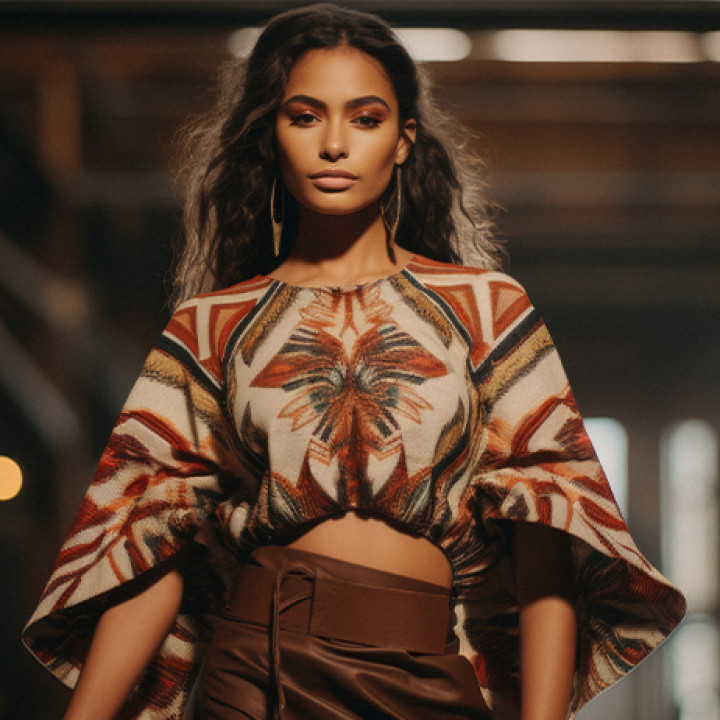
Loud dresses rely on bold prints, heavy embellishments, exaggerated cuts, or aggressive color blocking. They create impact once. After that, they become difficult to restyle.
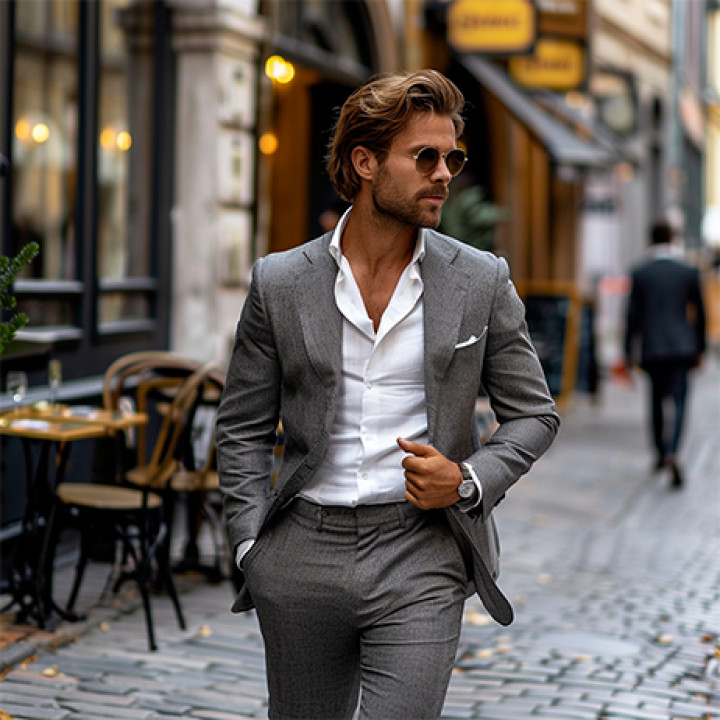
Minimalist dresses—clean lines, solid colors, subtle tailoring—can be worn multiple times without looking repetitive. A simple midi dress for women or a structured monochrome outfit for men can transition from casual to semi-formal with small styling changes.
Customers don’t buy dresses for one Instagram post. They buy them for repeated use.
2. Simplicity Increases Versatility
Minimalist designs fit into more situations. A neutral-toned women’s dress works for office hours, casual outings, and evening dinners with minor adjustments. A well-tailored, solid-colored men’s dress combination adapts easily from day meetings to night events.
Loud designs lock you into specific occasions. Heavy prints or flashy detailing limit flexibility.
Versatility increases perceived value. Higher perceived value increases sales. It’s that simple.
3. Clean Silhouettes Look Expensive
Minimalism forces brands to focus on fit and fabric. When there are no distracting patterns, the cut becomes the hero. Structured shoulders, defined waists, straight hemlines, clean tailoring—these details elevate appearance.
In women’s clothing, a simple black or beige dress with a sharp silhouette looks more premium than an over-embellished alternative. In men’s fashion, a clean, well-fitted neutral outfit projects confidence more effectively than loud styling.
Complex designs can look cluttered. Clean designs look deliberate.
4. Consumer Psychology Favors Safety
Most buyers avoid risk. Loud dresses feel risky. They attract attention, but they also attract scrutiny.
Minimalist dresses feel safe but powerful. Neutral colors, balanced proportions, and understated styling reduce decision anxiety. Customers feel confident purchasing something they know they can style easily.
This psychological comfort increases conversions.
5. Timelessness Drives Repeat Buying
Trends shift quickly. Bold prints and exaggerated designs often expire within a season. Minimalist dresses survive trend cycles because simplicity doesn’t age the same way.
A classic solid maxi dress, a neutral-toned co-ord set, or a structured men’s outfit remains relevant across years. Customers recognize this longevity, even subconsciously.
Longevity equals smarter spending. Smart spending drives higher sales volume.
6. Minimalism Enhances Personal Identity
Loud dresses dominate the wearer. Minimalist dresses support the wearer.
In both men’s and women’s clothing, simple designs allow personality to show through posture, styling, and confidence—not just fabric and print. People increasingly prefer clothing that complements them rather than competes with them.
Subtle design creates stronger presence because it doesn’t scream for attention.
Here’s the reality: minimalist dresses outsell loud ones because they solve more problems. They’re easier to wear, easier to style, less risky to buy, and more adaptable across occasions.
Loud designs attract eyeballs. Minimalist designs build wardrobes.
If the goal is long-term demand, repeat purchases, and wider audience appeal in men’s and women’s dress collections, simplicity isn’t a limitation—it’s a strategy.